
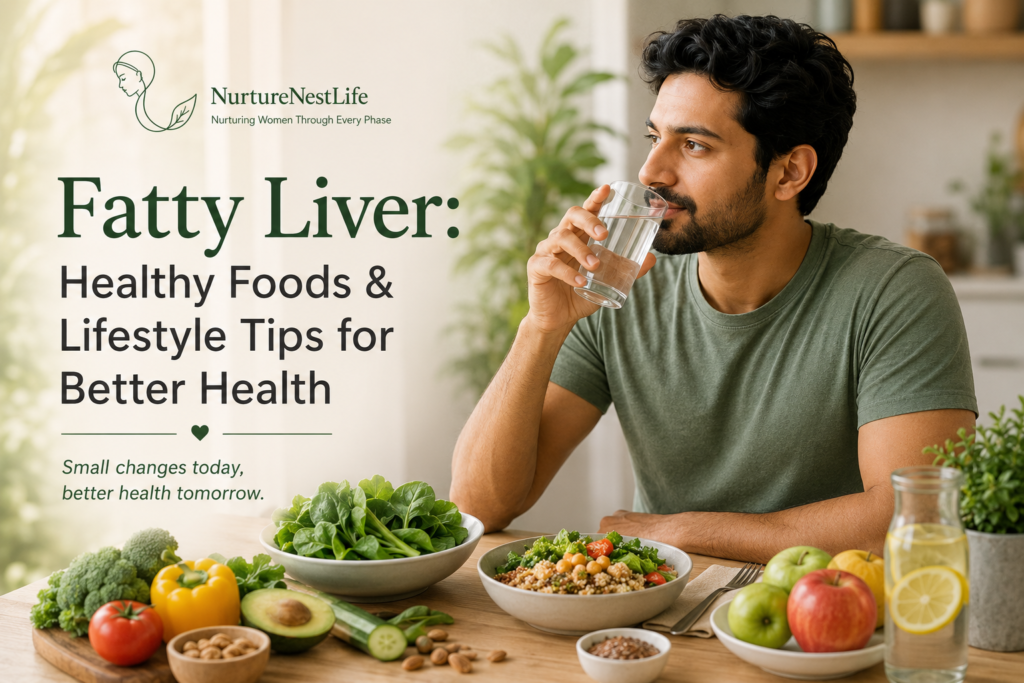
Small lifestyle changes today can lead to a healthier tomorrow.
In today’s fast-paced world, we often prioritize everything except our health.
Long working hours, irregular meals, lack of exercise, stress, poor sleep, and processed foods have quietly become part of our daily routine. While these habits may seem harmless at first, they can gradually affect one of the hardest-working organs in our body—our liver.
One condition that has become increasingly common over the past few years is fatty liver. Surprisingly, many people who are diagnosed with fatty liver don’t consume alcohol at all. Others only discover it during a routine health check-up because the condition often develops silently.
The good news is that fatty liver is often preventable, and in many cases, it can improve significantly with healthy lifestyle changes.
This blog explains what fatty liver is, why it’s becoming so common, the warning signs you shouldn’t ignore, foods that support liver health, and practical habits that can help you build a healthier life.
Table of Contents
What Is Fatty Liver?
Your liver performs hundreds of essential functions every single day. It helps digest food, removes toxins from the body, stores nutrients, regulates metabolism, and supports overall health.
A small amount of fat in the liver is normal.
However, when too much fat begins to accumulate inside liver cells, it can affect how the liver functions. This condition is known as fatty liver disease.
There are two main types:
Non-Alcoholic Fatty Liver Disease (NAFLD)
This occurs in people who drink little or no alcohol. It is commonly associated with obesity, diabetes, high cholesterol, insulin resistance, and unhealthy lifestyle habits.
Alcohol-Related Fatty Liver Disease (AFLD)
This develops due to excessive alcohol consumption over time.
Although the causes differ, both conditions require attention and healthy lifestyle changes.
Why Is Fatty Liver Becoming So Common?
Modern lifestyles have changed dramatically over the past decade.
Many of us spend hours sitting at desks, rely on food delivery apps, skip physical activity, and experience high levels of stress. These habits can gradually increase the risk of developing fatty liver.
Some common risk factors include:
- Being overweight or obese
- Lack of regular physical activity
- Eating too many processed or sugary foods
- High cholesterol
- Diabetes or insulin resistance
- High blood pressure
- Excessive alcohol consumption
- Poor sleep habits
- Chronic stress
Fatty liver is no longer limited to older adults. It is increasingly being diagnosed in young adults and even teenagers.
Signs and Symptoms to Watch For
One of the biggest challenges with fatty liver is that it often causes no noticeable symptoms in its early stages.
When symptoms do appear, they may include:
- Persistent tiredness
- Low energy levels
- Feeling heavy or bloated after meals
- Mild discomfort or pain in the upper right side of the abdomen
- Difficulty losing weight
- Elevated liver enzymes in blood reports
Because these symptoms are common to many conditions, routine health check-ups play an important role in early detection.
Can Fatty Liver Be Reversed?
One of the most encouraging aspects of fatty liver is that early-stage fatty liver can often improve significantly through healthy lifestyle changes.
The liver has an incredible ability to heal itself when we reduce the factors that continue to damage it.
However, if left untreated for a long time, fatty liver may progress to inflammation, scarring, or more serious liver disease. That’s why early action matters.
Always follow your doctor’s advice regarding diagnosis, monitoring, and treatment.
Foods That Support Liver Health
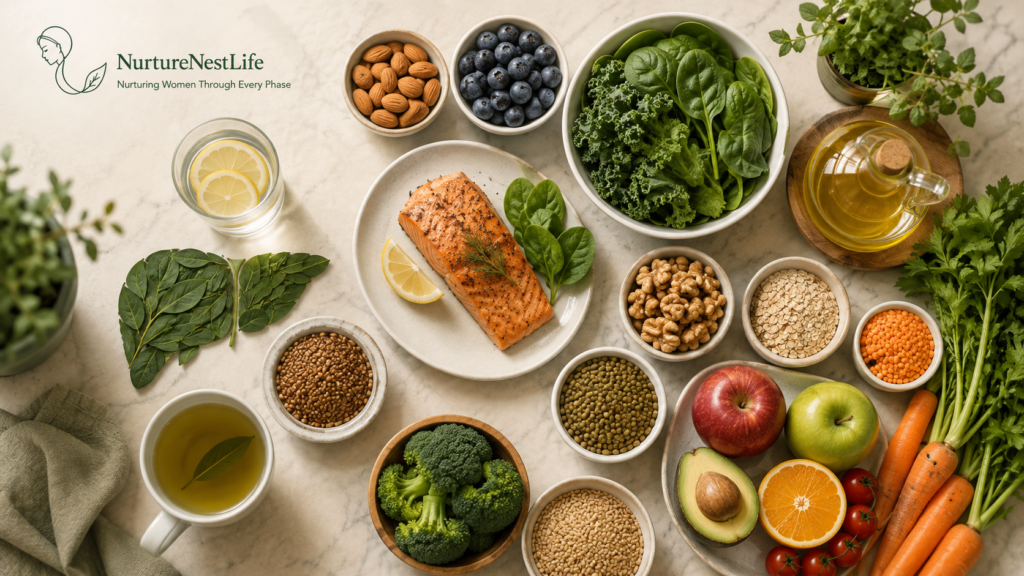
No single food can “cure” fatty liver, but a balanced diet can support your liver and overall well-being.
Eat Plenty of Vegetables
Vegetables are rich in fiber, vitamins, minerals, and antioxidants.
Some excellent choices include:
- Spinach
- Broccoli
- Carrots
- Beetroot
- Cabbage
- Bottle gourd
- Ridge gourd
- Cucumbers
Aim to include vegetables in both lunch and dinner.
Choose Whole Fruits
Whole fruits provide natural vitamins and fiber while satisfying sweet cravings in a healthier way.
Some good options are:
- Apples
- Papaya
- Oranges
- Guava
- Pomegranate
- Berries
Whenever possible, choose whole fruits instead of packaged fruit juices.
Include Quality Protein
Protein helps maintain muscle mass and supports overall metabolism.
Healthy sources include:
- Lentils
- Chickpeas
- Beans
- Eggs
- Fish
- Chicken
- Tofu
- Paneer (in moderation)
- Greek yogurt
Eat Healthy Fats
Healthy fats support many important functions in the body.
Good choices include:
- Walnuts
- Almonds
- Flaxseeds
- Chia seeds
- Olive oil
Remember that healthy fats should still be consumed in moderation.
Switch to Whole Grains
Whole grains provide more fiber than refined grains and help maintain steady energy levels.
Examples include:
- Oats
- Brown rice
- Millets
- Whole wheat
- Quinoa
Foods to Limit
Reducing certain foods can help decrease excess calorie intake and support liver health.
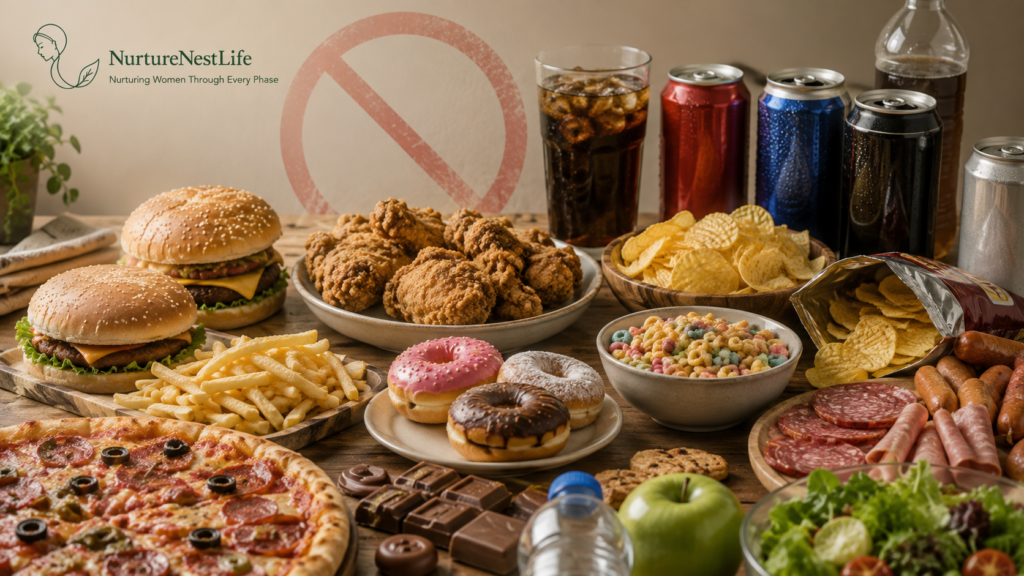
Try to limit:
- Sugary drinks
- Soft drinks
- Cakes
- Pastries
- Cookies
- White bread
- Deep-fried foods
- Fast food
- Highly processed snacks
- Processed meats
- Excess alcohol
Healthy eating doesn’t mean never enjoying your favorite foods—it means finding a balance.
Healthy Habits That Can Make a Big Difference
Improving liver health isn’t just about changing your diet.
Your daily habits matter just as much.

Stay Physically Active
Aim for at least 30 minutes of moderate exercise most days of the week.
Walking, cycling, swimming, yoga, or strength training are all excellent options.
The goal isn’t perfection—it’s consistency.
Stay Hydrated
Water supports digestion, metabolism, and many essential body functions.
Keeping yourself hydrated is one of the simplest ways to support overall health.
Prioritize Good Sleep
Poor sleep affects hormones, metabolism, and appetite.
Try to get 7–8 hours of quality sleep each night.
Manage Stress
Long-term stress often leads to unhealthy eating habits and reduced physical activity.
Find activities that help you relax, such as:
- Meditation
- Reading
- Walking
- Spending time with family
- Listening to music
Eat More Home-Cooked Meals
Preparing meals at home gives you better control over ingredients, portion sizes, and cooking methods.
Simple home-cooked food is often healthier than heavily processed alternatives.

Schedule Regular Health Check-Ups
Routine blood tests and health screenings can detect problems before symptoms appear.
Early diagnosis often makes lifestyle changes more effective.
A Simple Healthy Daily Routine
Healthy living doesn’t have to be complicated.
Here’s a simple example:
Morning
- Start your day with water.
- Eat a balanced breakfast rich in protein.
- Take a short walk if possible.
Afternoon
- Eat a balanced lunch with vegetables, whole grains, and protein.
- Stay hydrated throughout the day.
Evening
- Go for a walk or exercise.
- Choose a light, nutritious snack if you’re hungry.
Night
- Eat a lighter dinner.
- Reduce screen time before bed.
- Get enough sleep.
Small daily choices become powerful habits over time.
Progress Matters More Than Perfection
Many people postpone healthy living because they feel they need to change everything at once.
But lasting health isn’t built overnight.
It’s built through small, consistent decisions.
One healthier meal.
One evening walk.
One extra glass of water.
One good night’s sleep.
These may seem like small actions today, but together they can create meaningful improvements in your health over months and years.

Final Thoughts
Fatty liver isn’t just about the liver.
It’s often a reminder that our body needs more care, better nutrition, regular movement, and adequate rest.
Whether your goal is preventing fatty liver, improving your overall health, or simply building healthier habits, remember that every positive choice counts.
You don’t have to be perfect.
You just have to begin.
Because the journey toward better health starts with one healthy decision at a time.
Bài viết rất hữu ích, cảm ơn đã chia sẻ! Letco là công ty tư vấn du học Hàn Quốc uy tín, hỗ trợ trọn gói từ hồ sơ, visa đến học bổng. Tham khảo thêm tại letco.vn nhé.
Thank you for reading and liking the blog. Happy reading!